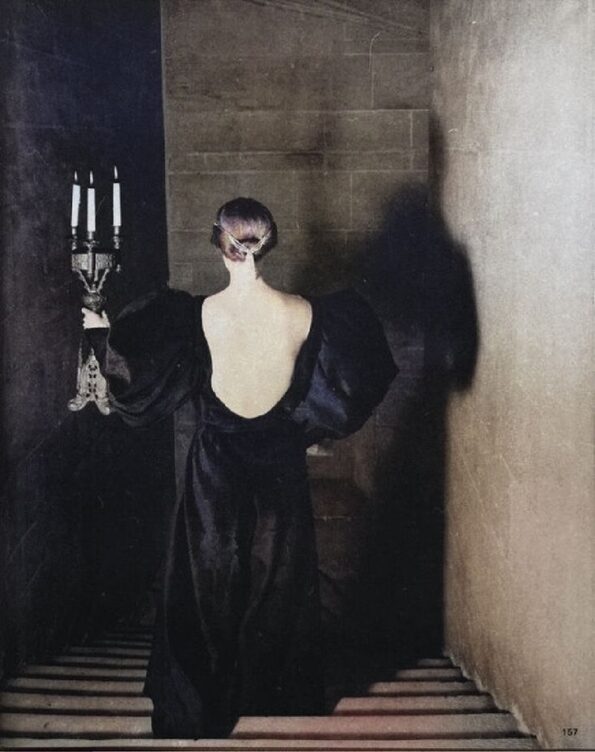
 Pluto is where astrology stops pretending the psyche is a tidy little apartment with tasteful cushions and admits there is, in fact, a locked basement underneath it where nobody has changed the lightbulb in twenty years. Symbolically, it belongs to the parts of the self we bury, repress, obsess over, fear, desire, resent, envy, protect and occasionally deny. The planet speaks to material pushed so far beneath ordinary consciousness, it gains pressure. It is intensely charged. Plutonian energy is less interested in whether a feeling looks respectable and more interested in whether it is true. Fear belongs naturally here. The deeper fears altering behavior from underground. Fear of abandonment. Fear of humiliation. Fear of helplessness. Fear of betrayal. Fear of being controlled, exposed, rejected, consumed, powerless or emotionally annihilated.
These fears refuse to introduce themselves openly. They show up disguised as jealousy, compulsive control, suspicion, obsession, withdrawal, possessiveness, or rage. Pluto symbolizes hidden psychic material. It demands confrontation. Wherever it sits in the natal chart marks territory where the person encounters powerful inner contradictions: attraction mixed with fear, longing mixed with resistance, desire mixed with shame, vulnerability mixed with a ferocious need to remain in control. The person is often magnetically drawn toward what frightens them. It is very Plutonian. The psyche walks toward the haunted house while loudly insisting it has no interest whatsoever in ghosts.
Seduction enters Pluto’s symbolism. Pluto is fascinated by whatever possesses emotional power. Sometimes this means sex, intimacy, secrecy, taboo, influence or psychological intensity. Sometimes it means the ability to affect another person deeply. Sometimes it means the terrifying experience of allowing another person to affect you. Pluto rarely enjoys lukewarm territory. It wants to know what has the power to rearrange you internally, which is a considerably less civilized question than “What do you like?”
Once this material gets activated, it exposes the bargains we have made with ourselves in order to avoid vulnerability. “If I control everything, nobody will hurt me.” “If I never need anybody, nobody can abandon me.” “If I discover their secrets first, I cannot be betrayed.” These strategies might look powerful from the outside, yet underneath them sits fear clutching the steering wheel with white knuckles. So Plutonian has a strong relationship with one’s personal demons. The phrase sounds dramtic, but psychologically it describes the parts of ourselves we would rather exile than understand. A personal demon is an emotion, wound, compulsion or defensive pattern, but has been given no conscious place to live. So it lives underground instead. And underground material has a nasty habit of influencing the house from beneath the floorboards.
Where Pluto falls in the natal chart, there is a need to meet this underground material consciously. Not perform a spiritual exorcism while secretly feeding it after midnight. The deeper work is integration. The jealousy needs to reveal the fear beneath it. The obsession needs to reveal the hunger beneath it. The rage needs to reveal the wound beneath it. The controlling instinct needs to reveal what feels unbearably unsafe.
The process is what gives Pluto its regenerative symbolism. Pluto is associated with death and rebirth. It describes psychological endings.. A relationship exposes a wound you had successfully avoided for years. An old coping mechanism begins costing more than it protects. The person then faces the unpleasant realization – the version of themselves built for survival is no longer the version capable of living freely. Plutonian symbolism points toward transformation through confrontation with what has been denied, feared or given too much unconscious power. The person discovers the monster underneath the bed shrinks considerably once the light is turned on. Not always immediately, and not without discomfort, but awareness removes some of the absolute power that secrecy gives psychological material.
Pluto has traditionally gathered associations with compulsion, crisis, obsession and extremes. It speaks to moments when ordinary conscious control feels insufficient and deeper material surges upward. A Pluto placement or transit can relate to times of violence, depression, trauma or explosive behavior. Astrologically, Pluto is understood as a symbolic language for periods when themes of power, loss, repression, fear, intensity, crisis or profound psychological confrontation feel unusually prominent. During strong Pluto transits, people often describe periods where life feels stripped of its usual emotional insulation. Issues are impossible to ignore. Old resentments resurface. Relationships expose power dynamics. Identity feels unstable. Control is a central issue when control seems least available. The experience has the sensation that life has found the one cupboard you specifically told it not to open.
It can coincide with grief, separation, psychological upheaval, major endings, intense therapy, confrontations with mortality, changes in relationships or periods of deep internal reckoning. It describes a quality of experience: compression, exposure, intensity, confrontation and the demand for deeper honesty. What makes Pluto frightening is the loss of our usual ability to pretend. Most of us function through a collection of small agreements with ourselves about who we are. “I am not jealous.” “I am not angry.” “I am over that.” “I do not care what they think.” “I have forgiven them.” Then Pluto wanders in suggesting otherwise.
Plutonian periods can feel out of character. The behavior often isn’t truly alien to the person. It comes from material with no conscious recognition. The eruption looks foreign since the underlying conflict had spent so long underground. The person experiences themselves acting, feeling or reacting with an intensity they don’t recognize, yet the intensity reveals psychological material existing quietly for far longer than the visible crisis.
The word “exorcise” works beautifully as metaphor. Pluto isn’t asking you to rip unwanted parts out of yourself and throw them into the sea. This just sends them back underground wearing scuba equipment. The real exorcism is bringing what has ruled you unconsciously into consciousness until it no longer needs to possess you from the shadows. You look at the fear. You name the desire. You admit the resentment. You understand the wound. And slowly, what once controlled you from below loses its supernatural authority.
Pluto therefore represents both the demon and the buried treasure beside it. The person who struggles with control can eventually develop psychological strength once they no longer confuse vulnerability with defeat. Pluto’s gifts are rarely delicate little presents tied with ribbon. They are more akin to discovering gold in a mine after spending several years wondering why your life keeps handing you a shovel.
Robert DeFeo, the infamous Amityville murderer, was a man seemingly at war with the darkest corners of his own psyche. And if we are to examine his natal chart through the rather unsettling lens of astrology, we discover a Mars–Pluto conjunction lurking there like a psychological time bomb. Mars, the planet of aggression and primal instinct, locked in with Pluto, lord of the underworld, obsession and all those dreadful things we’d rather pretend don’t exist within ourselves. But it was the transit of Pluto across his natal Sun–Saturn conjunction presenting the truly disturbing symbolism. Here was Pluto descending upon the very foundations of his identity, challenging his relationship with authority, power, repression and those deeply ingrained psychological demons.
His natal Mars–Pluto conjunction already has the symbolism of concentrated force: Mars representing assertion, rage, instinct, attack, desire and the primitive impulse to act, bound tightly to Pluto, which drags whatever it touches underground, intensifies it and connects it with power, compulsion, domination, repression and those less civilized corners of human nature people generally prefer to imagine belong exclusively to somebody else. Mars wants discharge. Pluto compresses. Put those two together symbolically and the image is anger but also pressure, instinct mixed with psychic depth, aggression entangled with power, and desire with the terrible intensity of a thing that does not easily accept frustration. Yet the transit of Pluto across his natal Sun and Saturn conjunction presents an even more unsettling picture. The Sun speaks for the organizing center of identity, the feeling of “I am,” the conscious self attempting to become its own person. Saturn beside it already places weight upon this identity. The self meets inhibition, authority, judgment, repression, harsh internal standards, limitation and feeling existence itself comes with terms and conditions printed in very small lettering. There can be an enormous internal pressure around being controlled, judged, contained or never quite permitted to express oneself without consequences. With Pluto contacting the Sun by transit, the struggle enters identity itself. What has been buried now challenges the entire story of who the person thinks they are. Pluto strips the Sun’s preferred self-image. It drags unconscious material toward the center and forces consciousness to encounter what has been excluded. Under healthier circumstances this symbolism can correspond with profound self-examination, psychological transformation and the death of an old identity. Under far more destructive circumstances, a person already overwhelmed by rage, repression and conflict can experience the same symbolism as psychological siege. The demon is accumulated rage. The demon is humiliation fermenting instead of healing. The demon is resentment granted years in darkness. The demon is every denied vulnerability transformed into hostility since hostility feels stronger than admitting hurt. The terrifying Plutonian realization is the darkness begins as injury, fear, humiliation, frustration or powerlessness. It gathers emotional sediment. It develops defenses. It becomes a grievance. The grievance now has an identity. Eventually the person stops having the wound and starts organizing themselves around it. Then the wound begins having them. It is possession in the deepest Plutonian sense. The self is no longer merely carrying its history. Its history is carrying the self.
Now, in astrological language, this is supposed to be an opportunity for self-transformation (Pluto-Sun). A chance to confront the shadow, dismantle old forms and emerge, phoenix-like, from the ashes of one’s former self. Splendid in theory! Except, of course, not everyone welcomes the invitation to psychological rebirth. Some people, when confronted with their inner demons, don’t attempt to understand them. They unleash them upon the world. The Sun–Saturn symbolism is particularly intriguing because it can represent the father, the authoritarian voice, the oppressive weight of expectation and the suffocating burden of unresolved resentment. Under Pluto’s influence, these themes may be intensified, dragging buried grievances, compulsions and festering emotional wounds into consciousness. Symbolically, it can even suggest the death of a father figure, whether literally or through the destruction of the authority he represents.
And this is where DeFeo’s story becomes such a chilling metaphor for the human shadow. What happens when a person is so consumed by resentment, so imprisoned by their own psychological complexes, that the distinction between inner torment and outer reality begins to collapse? Rather than confront the pain, they attempt to annihilate its perceived source. Rather than transform themselves, they seek to destroy the world around them. Pluto is the merciless mythological ruler of the underworld, had dragged DeFeo down into the subterranean realms of his own unconscious, where anger, humiliation, powerlessness and obsession may have been festering for years. The tragedy is that what might symbolically have represented an opportunity for inner transformation became, instead, a horrifying scene of destruction. One might poetically declare the man was possessed by Pluto! The unacknowledged shadow, the compulsive hunger for power, the resentments we hide in secret and the terrifying capacity of the human psyche to become enslaved by what it refuses to confront. Perhaps DeFeo’s hatred of his father had become so entangled with his own damaged sense of identity, so destroying the father seemed, in his distorted perception, the only way to liberate himself. But herein lies the dreadful paradox of Pluto: what we refuse to transform within ourselves may eventually become the very thing that destroys us. This configuration offers a haunting illustration of what can happen when unresolved psychological suffering is met not with awareness, but with violence. For the real demon, perhaps, was never Pluto at all. It was the darkness DeFeo could neither understand nor master.
Pluto symbolizes the part of the psyche capable of possessing both body and soul. In the frighteningly human sense when certain desires, fears, wounds and compulsions seize the whole personality when they rise. You think you are making a decision, yet underneath it there is jealousy, terror, humiliation, rage, obsession, grief or a buried need pulling several invisible strings. Older cultures often described this sort of psychological takeover through the language of spirits, demons and possession. A person behaving wildly outside their usual character would have been understood as invaded by an external force. Modern psychology uses a very different vocabulary. Repressed material, trauma, complexes, dissociation, unconscious conflict and compulsive patterns offer ways of describing how parts of the psyche operate outside ordinary conscious control. The mythology changed, but the haunting image remains useful: there are times when a person doesn’t feel entirely in command of themselves. Pluto speaks symbolically to this territory.
The psyche has no convenient little trash icon where undesirable feelings disappear forever. What is pushed underground continues living underground, and occasionally it grows roots. Pluto rules desire and fear. The two travel together. We fear what has power over us, and desire grants enormous power. To want deeply is to admit vulnerability. You might not receive what you want. You might receive it and lose it. Somebody else can control access to it. So the psyche defends itself by pretending the desire does not exist, only for the denied desire to return. Pluto rules the underworld, and the underworld is where the personality stores everything daylight society finds awkward: rage, envy, erotic hunger, revenge fantasies, shame, fear of abandonment, lust for control, resentment, taboo desires, old grief and memories we would rather leave sealed in their original packaging. Pluto opens the box. Plutonian material is ugly before it feels liberating.
There is usually a stage where the person encounters aspects of themselves they would strongly prefer to assign to somebody else. “I am not controlling; everyone around me is incompetent.” “I am not jealous; I have unusually sophisticated observational skills.” “I am not angry; I am calmly explaining why this person should never experience peace again.” The unconscious is wonderfully inventive when protecting our preferred self-image. Yet Pluto has little interest in maintaining a flattering biography. It strips. It is psychological honesty taken to an uncomfortable extreme. Pluto asks what remains after the respectable explanations stop working. Why does this particular betrayal destroy you? Why does rejection awaken such disproportionate fury? Why does losing control feel like annihilation? Why do you keep choosing relationships reproducing the same wound? Why does one particular fear keep reappearing under different names? Eventually the surface story runs out. Then you reach the root.
Pluto rules trauma. Early trauma fits naturally into this symbolism, especially where an experience leaves emotional material too overwhelming, frightening or confusing to process at the time. The child adapts. They survive. They build defenses. Perhaps they become hyper-independent, controlling, suspicious, pleasing, invisible, powerful, indispensable or emotionally unreachable. Those adaptations once protected them beautifully. Years later, the adult continues using the same defenses long after the original danger has gone. Now fate enters Pluto’s symbolism. Fate as repetition from below. What remains unconscious makes itself known through choices, relationships, reactions and environments. A person who unconsciously expects betrayal will continually interpret intimacy through suspicion. Someone terrified of abandonment will cling so intensely until relationships eventually suffocate. Someone who learned that power equals safety might dominate every relationship and then wonder why nobody feels close. The tragedy is that we often participate in constructing the very outcome we fear.
The hidden complex directs the person toward familiar emotional territory while the conscious mind insists every situation is completely different. New partner, same wound. New workplace, same authority battle. New friendship, same fear of exclusion. Repressed material breaking through can feel catastrophic. It holds years of accumulated pressure. The outburst seems wildly disproportionate to the immediate event, yet the immediate event is just the match. The room was already full of gas. The person then says, “I don’t know what came over me.” Pluto points downstairs. Explosive behavior isn’t secretly justified by repression. Harm remains harm. But the present moment opened a door to a much older room. And when those hidden forces reach extreme frustration, the person can act in ways they themselves find horrifying. The older imagery of the “devil” is psychologically evocative here. The devil represents the terrifying experience of watching disowned parts of the personality seize control. Rage speaks. Revenge speaks. Terror speaks. Compulsion speaks. The identity temporarily loses command.
Pluto rules what society would rather bury, but burial doesn’t make material wicked. Grief is buried. Sexuality gets buried. Vulnerability gets buried. Trauma gets buried. Anger gets buried. Entire family histories get buried beneath silence and good manners. The underworld contains horror, certainly, but it also contains everything that was never permitted sunlight. Pluto signifies exhumation. You dig up what the family refused to name. You uncover the secret. You acknowledge the abuse. You admit the resentment. You stop protecting the mythology. You see the pattern. Then cleansing actually starts.
Purging is never taken to mean declaring half the psyche unacceptable and throwing it into a furnace. It only repeats the original repression. Real Plutonian purification comes through honesty. The buried feeling receives language. The old wound receives context. The compulsion reveals its purpose. The shame loses some of its supernatural size once spoken aloud. The monster looks more human.
Family patterns fit here beautifully and terribly. What one generation refuses to process often appears psychologically in the next through silence, behavior, fear, relationship patterns or inherited emotional rules. Children can grow up carrying emotional material that began long before them. The curse of the House of Atreus is Plutonian. In Greek myth, violence, betrayal and revenge move through generations. Nobody entirely escapes what previous generations refused to end. Modern psychology will speak instead of intergenerational trauma, learned behavior, attachment patterns or family systems, but the old myth catches the emotional layers with brutal elegance: what is not confronted gets passed down. It is the curse. One generation says nothing. The next generation feels everything. Everyone swears they are nothing like their parents. Pluto smiles.
Honesty matters within Plutonian symbolism. Pretense feeds the underground. A family built around maintaining appearances often pays for this image psychologically. A person who spends decades protecting a false identity eventually has to expend enormous energy keeping reality from touching it. And reality is persistent. Pluto asks a brutal question: what would happen if you stopped defending the acceptable version of yourself and started understanding the version that is actually there? But we can’t just proudly display every destructive impulse as “authenticity.” Authenticity isn’t permission to behave terribly and call it shadow work. The person who screams at everyone and says, “I am being real,” has misunderstood the assignment. Honesty means acknowledging the impulse without obeying it. “I want revenge” is honesty. Therefore taking revenge is not psychological growth. “I feel jealous” is honesty. Therefore controlling another person is not intimacy. “I am terrified you will leave me” is honesty. Therefore imprisoning somebody emotionally is not love.
Nobody is entirely clean inside. Everyone has scars, shame, secret fears, ugly thoughts, defensive habits and desires they would rather not put on a Christmas card. The fantasy of psychological purity is itself another defense. Pluto isn’t asking for purity. It is asking for honesty. Living truthfully is less destructive than spending an entire life protecting what must never be discovered. Secrets require guards. False identities require constant maintenance. Repression requires pressure. Shame requires darkness. And Pluto, beneath all the imagery of demons, graves and underworlds, is deeply concerned with courage. The courage to descend. The courage to see. The courage to admit. The courage to interrupt what the family handed down. The courage to stop calling an old wound destiny. Pluto wasn’t asking you to become spotless. It was asking you to stop lying about the stains.
The Pluto, Scorpio and 8th-house experience has a burden of self-blame. Pain turns inward and asks what is wrong with you for having been hurt in the first place. Guilt gathers around old experiences. Shame wraps itself around vulnerability. Anger turns against the self. You replay what happened, what you should have done, what you should have seen, what you should have prevented, until the mind is hostile. Pluto territory holds the feelings people least want anybody else to discover: the terror of feeling one is defective, undeserving, damaged, powerless, contaminated by what happened, or fundamentally harder to love than everybody else appears to be. Emotions such as fear, hatred, rage, anxiety, depression, despair, jealousy, grief, shame and self-loathing take on intensity. Emotion feels concentrated, buried and difficult to release. The problem is rarely the mere existence of these feelings. Human beings are full of uncomfortable emotions; we are basically complicated mammals. The deeper trouble begins when the feeling is judged so harshly, it gets pushed underground rather than understood.
Fear grows teeth. Shame becomes secrecy. Anger accumulates behind politeness. Jealousy hides underneath detachment. Eventually the inner atmosphere resembles a cyclone that has spent years circling over warm water, gathering force while everybody upstairs insists everything is fine. Then one minor event breaks the pressure system open and the reaction looks wildly larger than the situation in front of you. The present moment receives emotional debris from ten years ago and understandably wonders what the hell happened.
Relationships frequently become the dumping ground for exactly this material. Intimacy is especially gifted at finding the boxes we thought we had hidden properly. The person closest to us touches abandonment fears, inadequacy, jealousy, distrust, powerlessness, betrayal wounds and all the ancient emotional rubbish we had hoped adulthood would quietly collect on a weekday. The partner is dealing with every previous loss, rejection, humiliation and broken promise the night accidentally awakened. We unload on other people partly as a primitive release valve for feelings we haven’t learned how to hold consciously ourselves.
Pluto so often resembles the basement of the emotional life. Down there sit the old recordings from childhood, repeating themselves long after nobody remembers pressing play. “You aren’t enough.” “Nobody stays.” “You cannot trust anyone.” “You don’t deserve good things.” “You have no power.” “If people really knew you, they would leave.” Some of these messages were spoken outright. Others were absorbed through atmosphere, neglect, instability, criticism, secrecy or watching how adults treated themselves and one another. A child rarely possesses the psychological distance to say, “This caregiver is acting from unresolved intergenerational trauma.” The child usually concludes, “This must say something about me.”
Then adulthood enters, and the tape keeps playing underneath entirely new circumstances. A person can want love while holding the conviction – love will eventually hurt them. They may want success while privately expecting collapse. They can hunger for intimacy while treating vulnerability as a security breach. They may insist they want freedom while repeatedly choosing situations reproducing powerlessness. The old recording keeps organizing present reality until life begins feeling blocked by forces that seem external, when part of the obstruction is an emotional blockage erected years earlier for survival.
The old pattern hurts, yet it is familiar. The familiar possesses a bizarre psychological comfort even when it is miserable. People cling to pain partly since they know it. They know which floorboard squeaks. They know where the exits are. Change asks them to enter a room whose dangers they haven’t memorized yet, and the psyche prefers a known prison to an unknown landscape. Pluto then confronts the terrible question of when survival has quietly turned into self-sabotage.
Letting all of this go, under Pluto, is rarely a sweet little ritual involving candles and a journal. Letting go means surrendering an identity, defense, attachment or emotional belief. It might mean admitting the resentment keeping you connected to somebody is also keeping you chained to them. Or releasing the fantasy – one day the past will apologize properly enough to return what it took. It could mean acknowledging that a wound explains part of your behavior without granting it permanent authority over your future. Where Pluto sits in the chart symbolizes the territory where vulnerability is dangerous. It is the place where the person is exposed to loss of control, rejection, humiliation, obsession or deep emotional dependency. And precisely there, survival lessons accumulate. You learn how much pressure you tolerate. You learn what you do when frightened. You discover whether you manipulate, withdraw, obsess, dominate, cling, retaliate or disappear.
The “personal demon” image works beautifully here again. It is the disowned complex when it takes the wheel. The person later says, “That was not like me,” yet it was part of them, a part they hadn’t integrated. Rage speaks through them. Jealousy speaks. Terror speaks. Old humiliation speaks. The demon is wounded material denied citizenship in the conscious personality and therefore keeps staging coups from the basement.
Pluto’s generational symbolism deepens this considerably. Families pass down far more than eye color and distinctive noses. They pass down silence, fear, emotional rules, coping mechanisms, secrets, shame, loyalties, expectations and unspoken instructions about what one must never discuss. Destructive patterns travel through families like a curse. One generation represses. The next reenacts. The next rebels so violently, it produces another distortion. Pluto and the 8th house speak beautifully to the moment one person finally says, “This stops with me.” With therapy, honest conversation, grief, boundaries, accountability, changed choices and the refusal to hand untouched pain to the next person as though it were a family heirloom.
Desire also plays an enormous role in Pluto’s psychology. Repeated frustration around what you desperately want intensifies attachment until the desired thing occupies far more psychic space than it deserves. Love, control, recognition, revenge, security, sex, beauty, money, closure, power: whatever the object is, being repeatedly blocked from it can turn longing into obsession. The person is consumed by wanting. And the more reality refuses cooperation, the more the mind circles the object. It is exhausting. Plutonian exhaustion comes from fighting battles partly generated by the very defenses designed to prevent pain. You fear abandonment, so you test the relationship until the other person grows tired. You fear powerlessness, so you attempt to control every variable until everybody around you starts resisting. You fear betrayal, so you investigate every ambiguity until trust itself suffocates. Then the feared outcome comes and appears to confirm the original belief. “See? People always leave.” “See? Nobody can be trusted.” “See? I have to control everything.”
Pluto’s version of fate often looks exactly like this: a deeply unconscious expectation repeatedly participating in the circumstances proving it true. But people don’t manufacture every trauma or deserve what happens to them. Life contains real injustice, loss, abuse and events no amount of psychological insight could have prevented. Pluto asks what we do with what has happened, what beliefs formed around it, what defenses grew out of it, and whether those defenses now keep recreating suffering long after the original event has ended. Eventually the cycle reaches a point of exhaustion. The same battle has been fought too many times. The same relationship appears with another face. The same fear destroys another opportunity. The same coping mechanism creates the same ending. It is where Pluto’s deepest work begins – when they are finally tired of suffering in the same way. Then life forces the gaze inward.
What am I protecting? What am I terrified will happen? What belief keeps organizing these choices? What part of me still thinks it is trapped in the past? What am I refusing to grieve? What do I keep trying to control that was never controllable? Those questions lead into the shadow. It also contains strength we were taught not to use, anger we were told was unacceptable, sexuality we were taught to fear, ambition we were taught to suppress, vulnerability we learned to despise and instincts driven underground in order to remain acceptable to the people around us. Going into the shadow reveals half the person. Plutonian work occasionally leaves somebody feeling as if they have discovered an entirely different version of themselves. The person who spent years trying to be harmless discovers how much power they actually possess. The encounter is destabilizing since the conscious identity has to widen.
Pluto has an intelligent purpose. The crisis points toward what consciousness has excluded. The repeated frustration reveals the pattern. The obsession reveals the attachment. The fear reveals the wound. The collapse of an old defense reveals it has outlived its usefulness. Still, you have to meet the underworld halfway. Pluto cannot perform the transformation while you sit upstairs insisting there is no basement. You have to turn toward what hurts. You have to recognize your part without assuming blame for everything. You have to distinguish responsibility from shame. You have to learn where your behavior injures others without turning this recognition into another excuse to hate yourself. You have to understand the old defense well enough to thank it for surviving and then stop letting it run the household.
Self-hatred doesn’t heal the shadow. It feeds it. Shame rarely transforms what it condemns. Awareness does. Learning to tolerate difficult emotion without immediately acting it out does. Pluto’s underworld is where you go down to recover what was buried. Some of it is painful. Some of it is ugly. Some of it has been haunting the family for generations. And some of it is your own power, waiting underneath all the fear you built around it. At some point, the fortress protecting the child begins to imprison the adult. Pluto asks whether you are willing to open the gate. And somewhere in that descent, the “personal demon” loses some of its terrifying grandeur. Underneath the jealousy was fear, underneath the rage was helplessness, underneath the control was terror of loss, underneath the self-loathing was an old belief never belonging to you in the first place. The demon turns out to have a history. And once you know its history, it no longer gets to pretend it is fate.
Demetra George says:
If we understand Pluto as essentially a process of transformation and regeneration, this is the first stage of purification which gives us the opportunity to eliminate the old patterning that keeps us locked into self-destructive and self-defeating behaviors. We can clear this material out, and instead of being bound to a past of which we are not even aware, we are freed to consciously imprint new patterns that are more in alignment with our future aspirations. However, the interim process of being called to destroy all the aspects of our previous life that have no function or value in our future and forced to give up that which we think we can’t live without is often terrifying and very painful. If we project this Plutonian energy, we may rage at others who we think are the cause of our misery and unhappiness and blame them for our predicament. We may also at this time magnetize people who will press all of our sensitive buttons and set off our crazy, irrational reactions and obsessive behaviors. It is helpful if we can occasionally step back and honor these people for being catalysts strong enough to activate the process of elimination and purification which is necessary to release self-destructive, repressed, and therefore toxic patterns. During Pluto transits, we experience endings of an old way of life, similar to the experience that occurs during the balsamic moon phase. Death, chaos and disintegration are precursors to the rebirth and renewal that are to follow. As I stated in Mysteries of the Dark Moon, “The naked awareness of the Dark Goddess is to see the death and destruction of the old and joyfully embrace it as a sign of imminent renewal.” You can determine times of major Pluto transits in your life by looking in the ephemeris to see when transiting Pluto makes major aspects to your planets or angles. Each aspected point represents a different part of our personality whose psychological issues need to be transformed.
So tonight, put your palm over your forehead, then against the back of your neck, then over your heart, and give yourself a moment before rushing off. Literal demons aren’t about to crawl dramatically from your pores and demand transportation home, but the body holds what the conscious mind has spent years claiming it has dealt with. Then go somewhere private and exorcise the hell out of yourself. Not in the medieval sense, with priests arriving and furniture levitating while somebody dramatically shouts in Latin. Your demons are far less glamorous and considerably more annoying. They are the old voices telling you – you are worthless, undesirable, powerless, impossible to love or destined to repeat what hurt you. They are resentments you keep feeding while insisting you have moved on. This is the Plutonian exorcism: drag the thing into consciousness and make it introduce itself properly. What are you actually angry about? What are you afraid will happen? Whose voice taught you to hate this part of yourself? What humiliation are you still organizing your life around? What relationship are you still having internally with somebody who left years ago?
There are emotional states powerful enough to feel as though another force has taken possession of us. Rage can take over the body. Shame can rewrite a whole identity. Obsession can make an intelligent person behave insane. Old trauma can turn a harmless present moment into an emergency inherited from another decade. We call these things different names now, and rightly so, but the ancient image remains psychologically vivid: there are moments when an unexamined part of us grabs the steering wheel while the conscious personality sits in the passenger seat saying, with increasing alarm, “Who the hell gave you a license?”
Pluto asks you to take the wheel back. You name what possesses you emotionally. You understand where it began. You acknowledge what it has made you do. You take responsibility for whatever damage followed without turning responsibility into another excuse for self-destruction. Then the “demon” begins losing its mythology. What looked like monstrous jealousy reveals terror of being replaced. What looked like relentless control reveals terror of helplessness. What looked like hatred reveals an injury that never received language. What looked like coldness reveals a person who decided long ago – needing anyone was too dangerous. The deeper you go, the less supernatural the monster looks. Eventually you find a wound with extremely bad coping mechanisms. It is Pluto’s underworld in miniature. You descend believing you are going down there to destroy whatever is wrong with you and discover instead – you are there to retrieve what was abandoned.
So put your hand over your head, your neck, your heart if this means anything to you. Let it mark the moment psychologically: mind, body, feeling. Notice what you have been carrying. Give the buried material permission to express itself. Cry if grief comes. Write the ugly truth down. Move your body. Say the sentence you have avoided saying to yourself. Take whatever needs genuine healing. Then exorcise the hell out of yourself. Not by expelling some evil creature. By refusing to let an unnamed wound keep impersonating fate.