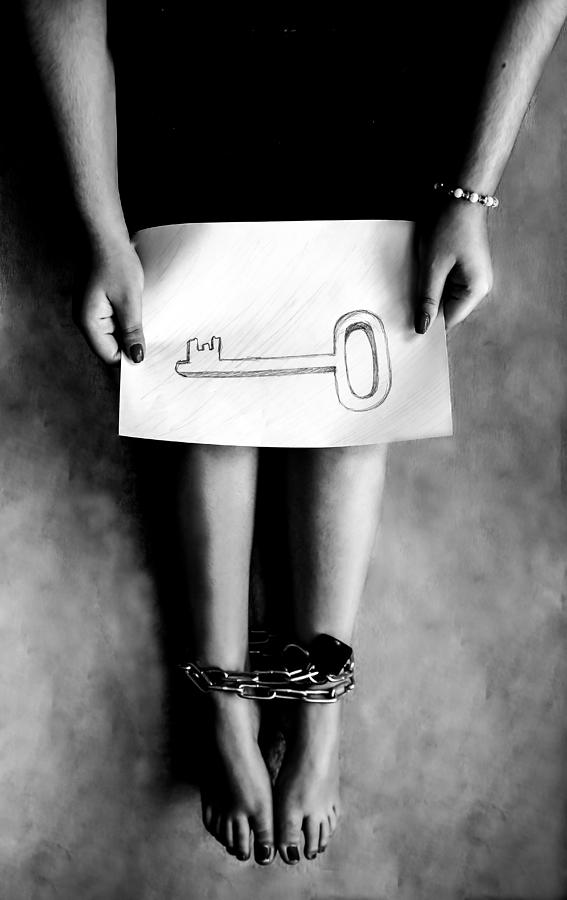
 Saturn in the 6th house is one of those placements. It often points to a life in which the ordinary realm of existence – work, health, duty, routine, maintenance, service, discipline – carries unusual psychological weight. The person doesn’t merely go to work, keep appointments, and manage their wellbeing in a casual, everyday sense. They experience these things as serious, loaded, morally significant terrain. The smallest daily task can begin to feel like a referendum on their worth, competence, or right to rest. At its deepest level, Saturn here suggests the soul’s education happens through the humble area of daily life. You won’t find lessons taught through dramatic, cinematic upheaval. It teaches through repetition, through irritation, through systems that do not work properly at first, through the body’s signals, through oppressive schedules, and through a persistent feeling – life is harder than it ought to be. There is often a sense ease belongs to other people, while one must earn every scrap of stability through persistence and self-control. The individual may develop an early belief, spoken or unspoken, if they are not useful, productive, organized, reliable, and self-disciplined, then they are somehow failing at existence itself. This is quite a burden to drag around before breakfast.
Because the 6th house concerns work in its practical and everyday expression, Saturn here can create a complicated relationship with employment. The person may be conscientious to the point of strain, responsible to the point of depletion, and dutiful even when duty has ceased to be admirable and become merely soul-flattening. There is often a fear of making mistakes, being judged, being exposed as inadequate, or losing control of the small forms that keep life functioning. This fear can make them excellent workers in one sense. They may be dependable, hardworking, and capable of enduring difficult conditions longer than most. But it can also make them vulnerable to environments that exploit this endurance. They may stay in jobs that deaden them because the predictability of dissatisfaction feels safer than the uncertainty of change. The unknown becomes more frightening than the misery they already know, and so they adapt to the cage and begin calling it responsibility.
This is one of Saturn’s darker little enchantments. It can make limitation feel virtuous. Boredom is maturity, exhaustion is integrity, and personal dissatisfaction is simply the adult cost of being dependable. With Saturn in the 6th, this may be especially pronounced. The person can become identified with being the one who copes, the one who carries the burden, the one who gets on with it, the one who suppresses personal preference in favor of necessity. They may even resent others who seem freer because some part of them has forgotten they are allowed any. The routine becomes both protection and prison. They cling to it because it keeps chaos at bay, yet they come to loathe it because it slowly drains vitality from their days.
Health, too, becomes a major arena of Saturn’s lessons here. This placement doesn’t automatically mean illness, but it often suggests the body cannot be ignored indefinitely without consequence. The body may become the stage on which stress, repression, overwork, perfectionism, or chronic anxiety performs its bleak little one-act play. Tension, fatigue, chronic conditions, digestive issues, muscular rigidity, or ailments linked to stress and over-control can appear when the person is living too harshly or too far removed from their own natural rhythms. Sometimes there is health anxiety, a constant concern that something is wrong or will go wrong. Sometimes the opposite occurs, and the person neglects themselves until the body essentially sends a formal complaint. Saturn is rather like that: if one ignores it, he eventually posts a notice on the front door.
Psychologically, this placement can generate deep insecurities around competence and usefulness. The person may feel that they are always behind, always not quite good enough, always needing to improve before they can relax. They may impose impossible standards on themselves in the realm of work, service, and self-management. Even when they are doing well, they may focus on what is unfinished, imperfect, or potentially failing. Praise can slide off them, while criticism sinks in and sets up permanent residence. They can become their own harsh supervisor, conducting internal performance reviews. As a result, even simple daily life may feel heavy. There can be a great deal of guilt around rest, pleasure, mess, inefficiency, or falling short of their own exacting standards.
And yet, this isn’t a placement of suffering. It would be a melodramatic reading, and Saturn, for all his gloom, isn’t interested in melodrama. He is interested in mastery. The higher expression of Saturn in the 6th house is extraordinary because it produces integrity in the way a person lives. When the lessons are integrated, this individual can become remarkably grounded, capable, and wise in practical matters. They can build routines to truly support life rather than punish it. They can develop endurance, deep craftsmanship, and a realistic understanding of what genuine wellbeing requires. They may become highly skilled in professions requiring patience, service, responsibility, healing, analysis, or long-term dedication. The very areas that once felt oppressive can become the places where they grow strongest because it forced them to become conscious.
This placement often improves with age because Saturn tends to withhold confidence until it has been built on something real. Early life may involve drudgery, insecurity, thankless effort, difficult work environments, or a sense of being burdened by the practical side of existence. But as the person matures, they can become deeply authoritative in these domains. They may learn how to manage time, labor, health, and energy with uncommon seriousness and skill. They may become the person others rely on because they work hard, but also because they understand the cost of disorganization, the importance of boundaries, and the necessity of sustainable systems.
Another important aspect of Saturn in the 6th is the relationship to service. The 6th house asks how we contribute, how we assist, how we engage in the ordinary exchange of labor and usefulness that keeps life moving. Saturn here may initially make service feel degrading, obligatory, or burdensome. The person may feel reduced by menial tasks, trapped by necessity, or bitter about always having to be practical. But eventually the lesson becomes more refined. They are asked to distinguish between meaningful service and servitude. Meaningful service comes from dignity, consent, and purpose. Servitude comes from fear, low self-worth, and the belief that one must endlessly prove one’s value through sacrifice. Learning that difference is central. Otherwise, the person risks building a life where they are endlessly useful to everyone except themselves.
There can also be a subtle existential loneliness to this placement. Because so much emphasis is placed on duty, the individual may feel unseen in their humanity and over-recognized only for what they do. Others may come to depend on their competence while failing to notice the strain beneath it. They may be praised for being reliable while inwardly feeling trapped by the very image of reliability they have built. In some cases, there is resentment toward the repetitive, unglamorous aspects of life, and even toward the body itself for requiring maintenance, rest, limitation, and care. Saturn in the 6th may begin with the fantasy that one day life will finally become manageable if only everything can be controlled perfectly. But life, infuriatingly, remains alive. Bodies age, moods shift, jobs change, systems break, and no amount of color-coded planning rescues us from being human.
Often, the real breakthrough arrives when they stop asking, “How can I force myself to function better?” and start asking, “What conditions allow me to function well without betraying myself?” The deeper promise of this placement is that through all the friction, the person develops substance. They learn the dignity of craft, the power of consistency, the necessity of boundaries, and the importance of building a daily life that is both workable and humane. Can you create a life of order, service, and discipline that does not crush your spirit?
Saturn in the 6th house often speaks to a life shaped by duty, effort, discipline, and the sometimes exhausting realities of everyday existence. The 6th house is not glamorous. It is the house of work, routine, service, obligation, health, and the countless unnoticed tasks that keep life functioning. When Saturn is placed here, there is often a deep seriousness around these matters, as though the person feels survival, dignity, and self-worth are somehow bound up with how well they manage the practical demands of life. This can create a powerful sense of responsibility, but it can also bring strain, because Saturn rarely allows ease in the area it occupies. Instead, it tends to introduce pressure, delay, self-doubt, and the feeling that one must work harder than others simply to feel secure.
For many people with this placement, daily life can feel like a test that is never fully passed. There may be an ongoing sense there is always more to do, more to fix, more to improve, and more to carry. Even when they are being productive, useful, and conscientious, they may still feel inadequate, as though they are falling short of some invisible standard. This inner pressure can become especially intense in working environments, where Saturn in the 6th house may manifest as difficult bosses, unrewarding responsibilities, excessive workloads, or a lingering feeling of being undervalued despite genuine effort. These individuals may be the ones who take their obligations seriously, who show up, who endure, who keep things together behind the scenes, yet still feel overlooked or unfairly criticized. Because of this, work can become emotionally loaded, a stage upon which fears of failure, rejection, and insufficiency are repeatedly played out.
There is often a heightened sensitivity to whether one’s labor is respected or exploited. If the person is underpaid, underappreciated, or expected to shoulder more than their fair share, the wound can run particularly deep, because Saturn in the 6th house tends to tie self-esteem to usefulness and competence. When their efforts go unnoticed or are met with criticism rather than recognition, it may reinforce a painful belief that no matter how hard they try, it is never enough. This can create a pattern of overcompensating by becoming even more dutiful, even more self-monitoring, even more perfectionistic. The result is that life may begin to feel like a relentless cycle of proving oneself, managing crises, correcting flaws, and trying to earn rest that never quite feels deserved.
Health is another important part of this placement, because the 6th house also governs the body’s maintenance and the physical consequences of stress. Saturn here can indicate a person who carries tension in a chronic way, especially when life feels disordered or when responsibilities begin to pile up. Worry, overwork, and the habit of suppressing emotional strain in order to “get on with it” can eventually affect physical wellbeing. Sometimes the fear is not only about being unwell, but about what illness would represent: losing control, becoming unable to cope, or no longer being able to fulfill one’s obligations. In this way, anxiety around health may mirror anxiety around work and routine. The person may feel that if they stop managing everything so carefully, the whole of life could begin to unravel. This can make them extremely vigilant, and at times overly critical, about both their habits and their physical condition.
The outer life may suggest competence, but the inner experience is frequently one of pressure and unease. There can be a compulsive need to sort things out, put life in order, reassess priorities, refine systems, and stay on top of every loose end. It often comes from a deeper fear that if things are not managed properly, something important will be lost. The job might disappear, the body might break down, the responsibilities might become unmanageable. Because Saturn is linked with fear as much as discipline, the drive to organize and control daily life is often rooted in a very real sense of vulnerability.
Saturn in the 6th house enters through the kitchen of existence in sensible shoes, inspecting the sink, the schedule, the inbox, the spine, and the soul. The 6th house governs work, service, routines, maintenance, health, and all the humble rituals that keep human life from collapsing into a heap of laundry and unpaid invoices. With Saturn here, these matters tend to become charged with seriousness. There is often a feeling that one’s worth is tangled up with competence, usefulness, and endurance, as though the right to relax must first be earned through immaculate performance. Life can begin to feel like an endless apprenticeship to some stern invisible master who is never quite satisfied. Even when everything is being handled, the person may feel as though something crucial has been missed, as though there is always one more flaw to fix, one more duty to discharge, one more loose thread threatening to undo the whole garment. Saturn here doesn’t simply ask, “Have you done your work?” He asks, “Have you justified your existence today, or are you, in fact, a fraud in sensible trousers?” The mind becomes severe, pacing around the factory floor of the day, pointing out what remains unfinished, what could have been better, and why rest is suspicious.
At first glance, the description of Saturn in the 6th house sounds like a neat little astrological profile about work habits, health concerns, and irritation with incompetent staff. But underneath that, it is describing a person whose relationship to daily life has been taken over by anxiety. Environmental disturbances during early life may have occurred. Maybe the home was chaotic, maybe the caretakers were inconsistent, maybe the emotional climate was thick with tension, illness, criticism, or unpredictability. Whatever the specific form, the child gets the message that life is not a safe, flowing thing. It is a problem to be managed. And when a child comes to believe stability is fragile, they often respond by trying to become stable in excess. They don’t merely appreciate order; they cling to it.
The aversion to chaos in the immediate environment may actually be part of a much larger apprehension about anything that is not perfectly organized, defined, and under control. In other words, the person isn’t really upset because the desk is messy or because the schedule changed or because the helper did the laundry incorrectly. Those are only the visible triggers. The real disturbance is existential. Disorder, to them, doesn’t register as an inconvenience. It registers as danger. A small mess becomes a symbolic crack in the dam. The nervous system says, “If this little thing is allowed to slide, then everything may slide, and then we are back in the wilderness.”
This is one of the cruel jokes of personality: traits appearing virtuous from the outside can be powered by misery on the inside. Someone with this pattern may appear conscientious, reliable, industrious, disciplined, even admirable. They are the person who remembers deadlines, fixes the mistake no one else noticed, shows up early, and keeps the machine running. They often become the emotional and practical janitors of whatever room they enter. But the competence can conceal an inner life ruled by relentless vigilance. They are not simply being responsible. They are trying to outrun the terror of collapse.
The 6th house, in astrology, is often associated with the body, daily routines, service, maintenance, and the management of ordinary life. Saturn, symbolically, tends to bring pressure, fear, inhibition, duty, delay, and chronicity. When you combine those themes, you get a person for whom the body may stop being a body and become a place of anxiety. Every symptom becomes suspicious. Every fluctuation demands interpretation. Every twinge can feel like a prophecy. The body is no longer a living animal doing its weird mammalian best; it becomes a temperamental.
Liz Greene associates this placement with physical and mental disease, chronic health problems, hypochondria, or illness as a mode of control. When fear, duty, and control gather around the sphere of health, illness can become overinvested with meaning. Sometimes this shows up as genuine chronic conditions that shape the person’s life. Sometimes it shows up as heightened anxiety about illness. Sometimes the symptom is less about pathology and more about what illness permits. Illness can justify rest for the person who cannot rest without guilt. It can command care from a family that otherwise withholds it. It can establish boundaries where direct assertion feels forbidden. It can turn helplessness into power in a household that only responds to crisis.
It tends to make people uncomfortable, because nobody likes the suggestion that sickness can become entangled with control. It sounds manipulative, villainous, almost theatrical. But human beings are rarely as calculating as this. More often, these dynamics are unconscious and heartbreaking. A person may genuinely suffer and also discover, without ever fully admitting it to themselves, that suffering organizes the household, secures attention, and creates moral authority. When direct needs cannot be spoken, the body sometimes speaks in a dialect of exhaustion, fragility, or recurring complaint. The family learns to orbit the illness because it is easier than dealing with the emotional reality underneath it. So the symptom becomes both real and symbolic, both burden and leverage. Human beings are messy like that. We prefer our motives pure, but the psyche usually looks more like a junk drawer.
Otten interpretations state that this placement may have problems with “hired help.” It sounds a bit quaint, like something from an era of ashtrays, martinis, and women named Muffy yelling at the maid, but psychologically it points toward a very modern problem: delegation. People with strong control anxieties often suffer badly when they must rely on others to execute routine tasks. They may fantasize about support, assistance, collaboration, and relief, but when it arrives, they find the reality intolerable. The helper is too slow, too careless, too imprecise, too relaxed, too human. Which usually means the helper is not actually the problem, at least not entirely. The real problem is that surrendering control reactivates the original anxiety. To let someone else handle the task is to enter uncertainty. To enter uncertainty is to risk disappointment, disorder, dependence, or shame. So they take the work back. Then they resent having to do everything themselves. Then they become martyrs to standards no one asked them to maintain. It is the perfectionist’s version of digging their own grave and then complaining about the landscaping.
There is something particularly brutal about how this pattern infects ordinary life. Big traumas at least come with dramatic music. But this kind of suffering is often embedded in the repetitive, unglamorous rhythms of existence: cleaning, scheduling, diet, exercise, work habits, errands, appointments, bodily sensations, obligations, and minor inefficiencies. It can make life feel like an endless series of maintenance tasks, each one carrying an absurd amount of emotional weight. The person is doing the dishes; but they are also trying to hold the cosmos together with a sponge and a bottle of antibacterial spray. They are doing more than writing a to-do-list…they’re are building a seawall against panic.
The person may split the world into the responsible and the irresponsible, the competent and the incompetent, the self-controlled and the sloppy. This is partly a defense. When you have built your identity around self-management, imperfection in yourself or others can feel morally offensive because it threatens the entire system. It is not just that someone loaded the dishwasher incorrectly; it is that civilization is apparently over and the barbarians are inside the gates. Underneath this, though, there is often grief. Grief for all the energy spent trying to prevent life from being life. Because life, infuriatingly, is organic, inconsistent, inconvenient, damp around the edges. Bodies get sick. Plans change. People disappoint us. The house gets messy five minutes after you clean it. The email is misunderstood. The routine is interrupted. Someone folds the fitted sheet in a way that should qualify as a hate crime. None of this means doom is imminent, but for the person, every small disorder can feel like a tiny reenactment of an older helplessness.
Can they trust that disorder is sometimes just disorder and not the first domino in a catastrophe? These are spiritual questions as much as psychological ones. They get at whether a person can live in reality rather than in constant preemptive defense against reality. In a healthier form, this placement or pattern can produce remarkable strengths. These are often people of enormous endurance, seriousness, technical skill, and practical devotion. They know how to carry responsibility. They can improve systems, repair broken processes, attend to detail, and shoulder burdens that make other people evaporate into decorative mist. They are often the ones who quietly keep families, workplaces, and institutions from descending into chaos. But the strength becomes costly when it is no longer chosen but compulsive. Duty stops being noble when it becomes the only emotional language a person trusts.
In this sense, the child who grew up amid instability becomes the adult who tries to build a fortress out of routines, standards, and symptom-monitoring. The tragedy is the fortress works just well enough to keep being used, even while it turns daily life into a low-grade prison. The mature version of this energy is discipline softened by humanity. Because at some point, the soul has to admit a humiliating truth: you can sanitize the counters, color-code the calendar, optimize your supplement stack, and rewrite the staff instructions in twelve-point font, and life will still stroll in wearing muddy shoes. The question is whether you can remain a person when this happens.
The person is trying to build a functioning life out of anxiety, duty, and an almost religious devotion to not falling apart in public. The father often functions as the early model of authority, discipline, work, and the rules of survival. So the father may have been a worrier, chronically unwell, or compromised in his work by illness, The child doesn’t just see a parent with problems; the child absorbs a worldview in which adult life looks exhausting, fragile, and heavy. Work is not portrayed as meaningful expression or satisfying engagement with the world. It is portrayed as strain. Duty. A long, joyless haul.
This matters because children are little psychological sponges with terrible boundaries. They don’t simply observe the emotional atmosphere; they swallow it whole and call it reality. So if the father figure seemed preoccupied, worn down, anxious about health, or trapped in relentless labor, the child may unconsciously conclude – competence means worrying, responsibility means overwork, and adulthood is basically one grim obligation to another. It is not hard to see how this could produce a person who approaches daily life like a risk management consultant for their own nervous system.
People are often drawn toward the very arena that frightened or preoccupied them early in life. It is one of the psyche’s favorite tricks: “This thing once made me feel helpless, so now I will master it, organize it, study it, and possibly get certified in it.” Someone who grew up around illness, worry, overwork, or bodily vulnerability may be drawn to healing professions because these professions offer a seductive promise: perhaps if I learn enough, serve enough, manage enough, I can turn chaos into competence. The child who once felt powerless in the face of disorder becomes the adult who wants to take blood pressure, label symptoms, fix routines, and restore control.
It is where “selfless service” becomes complicated. On the surface, it sounds admirable, and often it is. There is real dignity in serving others, improving systems, easing suffering, and becoming more effective in practical life. But it can hide a dangerous seduction for this type of person, because selflessness is very attractive to people who do not feel fully permitted to have needs. Service gives them a morally approved way to matter. Competence becomes love’s substitute. The person may become extremely good at helping, supporting, fixing, and carrying burdens, all while remaining weirdly estranged from their own hunger, exhaustion, fear, or desire. They become a beautifully maintained machine for other people’s benefit and then wonder why they feel spiritually underfed.
Often the advice is to put your own needs first. It sounds almost insultingly simple, the kind of advice you’d find embroidered on a pillow in a therapist’s waiting room. But for this kind of person, it is revolutionary. Because when someone is compulsive around duty, anxiety, and perfectionism, attending to their own needs can feel selfish, lazy, irresponsible, or vaguely criminal. They may know how to optimize everyone else’s schedule while treating their own body like a mule. They may believe deeply in health while sleeping badly, working too much, neglecting pleasure, and turning self-care into another performance metric to fail at.
The compulsive activities, excessive ordering, and perfectionism are really attempts to bargain with uncertainty. The person thinks, somewhere deep down, “If I can keep things orderly enough, productive enough, pure enough, then maybe I can outrun vulnerability.” But life rarely honors those bargains. It doesn’t look at your color-coded planner and say, “Fair enough, you seem anxious but organized, so I’ll spare you disappointment.” Life just keeps being life: messy, bodily, irritating, full of interruptions and laundry and moods and forms to fill out. So the perfectionism becomes a treadmill. The person is always trying to arrive at a level of control that will finally produce inner peace.
The schedule is not just a schedule; it is a stabilizer. The ordering is not just tidiness; it is a ritual against dread. The compulsion is not just habit; it is fear translated into action. Such people often look incredibly “together” from the outside while feeling brittle inside. They are holding themselves together through maintenance. Like an old building with beautiful stonework and forty-seven hidden steel supports, they appear solid precisely because so much effort is going into preventing collapse. And yet there is a strange generosity in this pattern, too. These people often develop skill, stamina, and devotion. They can become excellent caretakers, healers, administrators, craftspeople, analysts, and workers because they take the small things seriously. They understand life is built in unglamorous increments. They know bodies need tending, systems need refining, details matter, and service isn’t beneath dignity. They are often the ones doing the work after everyone else has wandered off to have opinions. The trouble is that they may perform service in a way that quietly erases themselves. They become so busy being useful that they forget they are alive.
The placement is not about finding the perfect planner, the optimal morning routine, or the one brand of magnesium that finally turns you into a serene woodland creature. On some level, it can be. It is more an inner negotiation between duty and aliveness. Between service and self-abandonment. Between discipline and fear. The challenge is learning that caring for oneself is not the enemy of usefulness but its foundation. Without this realization, the person keeps trying to pour from an empty cup while resentfully reorganizing the cupboard where the cup is stored.
The father image enters here again, because often the person is trying to avoid becoming what they witnessed. If the father was compromised by illness or consumed by work, the individual may secretly vow never to be this vulnerable, depleted, powerless. But vows born from fear rarely produce freedom. They produce hypervigilance. So instead of becoming carefree and balanced, the person becomes more controlled, more dutiful, more exacting, more devoted to keeping themselves operational. They do not escape the inheritance; they refine it. Same ghost, nicer office.
Service must stop being a way to earn worth and start becoming an expression of worth already possessed. Routine must stop being a defense against existence and become a support for existence. Health must stop being treated like a purity contest and start being approached as a relationship with a body that is imperfect, mortal, and deserving of kindness. Work must cease to be proof of goodness and become simply one part of a life. Otherwise, the person risks becoming a high-functioning servant to their own nervous system, forever productive, forever tense, forever one unsorted drawer away from a spiritual coup.
People with this kind of symbolism are often very good at administration, organization, and keeping things from flying off the rails. They can be the adults in the room even when everyone else is spiritually out to lunch. They know how to prioritize, maintain, and endure. They can often take the chaos of ordinary life and beat it into a shape that at least resembles functionality. But the problem is that this capacity for order is rarely experienced as a cheerful gift. It feels more like an obligation, as though they were appointed middle manager of the universe without being asked and now have to spend eternity working overtime.
For this sort of person, work and health become the stages on which deeper anxieties perform their little tragedies. Work promises security, usefulness, respectability, and a defense against uncertainty. Health promises control over the body’s infuriating tendency to be mortal, needy, and chemically erratic. So the person may throw themselves into productivity and self-monitoring with admirable seriousness, but beneath the seriousness there is often an unspoken hope: maybe if I do enough, manage enough, perfect enough, then I will finally feel safe. Life, of course, responds to this hope with blank contempt.
These people are not always straightforwardly industrious. Sometimes they are. Sometimes they become frighteningly identified with duty. But just as often, the pressure surrounding work becomes so heavy that they vacillate. They may crave the security of a stable profession while dreading the effort, delay, and disappointment involved in building one. They may become obsessed with getting their working life “right,” while simultaneously procrastinating, withdrawing, second-guessing, or feeling oppressed by the whole enterprise. It is not laziness so much as the paralysis that happens when work has been inflated into a moral referendum on one’s worth.
The difficulty isn’t always external, though it may show up as delays, grind, unsatisfying jobs, overwork, or a feeling of having to earn every scrap of competence the hard way. The deeper issue is the person often experiences daily labor itself as heavy. The workday is more than just a span of hours. It can feel like a long hallway under fluorescent lights, where the clock moves infuriatingly slowly. Even ordinary responsibilities may seem charged with disproportionate effort. Others appear to glide through routine with casual incompetence and somehow survive, while this person feels as though every email, errand, appointment, and obligation must be hauled uphill in work boots.
There is something almost tragicomic about it. These are often the people who can perform enormous amounts of work, yet rarely feel light about it. They may be productive, loyal, and highly capable, but they carry an internal atmosphere of strain. Even when they are not actively working, they may remain psychologically employed, thinking about what should be improved, what remains undone, what could go wrong, what symptom needs monitoring, what system needs tightening. Their nervous system doesn’t clock out so much as change into business casual.
The body becomes one more domain requiring management, vigilance, and interpretation. Sometimes this manifests as discipline and conscientiousness around health. Sometimes it becomes anxiety, preoccupation, or attempts to optimize oneself into invulnerability. The body ceases to be a companion and becomes a project. Even self-care can become strangely joyless, another area of work to be mastered rather than a way of inhabiting one’s humanity with kindness. And yet a shift can occur if the person finds a spirit of service and performs their duties with love and care. When service enters the picture in a real way – something softens. Work becomes about contributing meaningfully. Routine becomes less of a prison and more of a practice. Care stops being a surveillance program and becomes an ethic.
It is a profound shift, because it changes the emotional chemistry of effort. The same tasks may still need doing. The same limitations may still exist. The same responsibilities may still be real. But when work is done with love and care, it no longer feels like pure servitude to anxiety. It begins to acquire dignity. The person moves away from maintaining order to prevent catastrophe, and they begin to participate in life. They bring steadiness where there was confusion, reliability where there was neglect, attention where there was carelessness. In this form, their seriousness becomes beautiful rather than punishing.
There is a deep spiritual irony here. The very people who suffer most from work often have the capacity to ennoble it. Because they do not take daily life lightly, they can become exceptional in the realm of small things. They understand maintenance, timing, repetition, and devotion. They know that much of life is built through showing up again and again to what must be tended. But to access the higher expression of this gift, they must stop treating duty as a whip and begin treating it as a form of care. Burden drains meaning out of effort. Service restores meaning to effort. Burden says, “I must do this because if I do not, everything will collapse and I will be worthless.” Service says, “I choose to do this well because care matters.” One posture contracts the soul. The other steadies it. One turns the workday into a penal colony. The other, on a good day, turns even repetitive tasks into something approaching grace.
Of course, this does not mean the person suddenly becomes relaxed, light, and delighted by filing systems. Let’s not get carried away. Admin is still admin. But it does mean that the heavy, embattled relationship to work can evolve. The person can learn that security is not created only through overwork, that bodily care is not the same as bodily obsession, and that meaningful labor is not measured solely by strain. They can stop dragging themselves through the day resentfully and start inhabiting their responsibilities with more steadiness and less doom. It’s a deeper struggle between fear and devotion. Fear makes work feel endless, health feel precarious, and duty feel punitive. Devotion brings warmth, humility, and humanity into the same terrain. The task is never to escape work, but to stop making work the area in which one’s adequacy is forever questioned. Once this shift happens, the 6th-house Saturn type can become quietly masterful – someone who turns the ordinary labors of living into acts of form, usefulness, and care, rather than endless proof that they deserve to exist.