 The stalker is more often a person crumbling beneath the ruins of their own identity, which had been, perhaps desperately, stitched to another. When this binding unravels, they are left a hollow silhouette tracing the movements of what once was. Pain doesn’t justify persecution. Suffering is not a hall pass to trespass. The “emotional purgatory” the person is in can be a breeding ground for delusion. And in some cases, this delusion becomes dangerous even for the pursuer themselves, lost in a maze of memory, where every signpost points back to a time that no longer exists. The unpredictability of post-breakup violence is a mystery of psychology, where obsession calcifies over time. Some erupt like volcanoes, immediately volatile. Others smolder, years later, rekindled by imagined betrayals or symbolic milestones – a birthday, a wedding, a social media post innocently made but interpreted as a personal affront. There’s tragedy here to name this for what it is: a distortion of love. For those who are pursued, their fear is pattern recognition, an intuitive sense that something has turned sinister.
Stalking is the ghastly, insidious residue of intimacy. It’s more than someone following another person through alleys or inboxes, it’s the ghostly persistence of a dead and unburied bond. A relationship ends, the rituals of affection dissolve, but for the one who cannot let go, time has stopped, or worse, become warped, each passing day inflaming the wound rather than healing it. To be stalked by a former lover is to feel the boundary between the past and the present begin to blur. Where one person has moved on, the other remains ensnared, as though their soul never got the memo. They orbit you like a desperate moon around a planet that no longer acknowledges its pull. But this orbit isn’t romantic. It’s obsessive. It’s invasive. And above all, it’s deeply rooted in identity, specifically, the erosion of it.
You see, when someone defines themselves entirely through the lens of a relationship, they lose their reflection. They lose the mirror that told them who they were. It is an existential crisis far more terrifying than loneliness. They become unbound, and rather than grieving and reconstructing a new sense of self, they grasp, they cling, they pursue – because without the other person, they fear they might cease to exist. Their presence becomes a form of self-preservation. A haunting. They shadow your life because your life is the last place they remember being whole.
But make no mistake, while this may arouse a flicker of empathy for the lost and broken, it must never overshadow the harm it causes. Because being watched, followed, monitored, these aren’t acts of love, they’re violations. They create a psychic unease, an ambient terror, where safety becomes a question mark and freedom feels conditional. It forces the one being stalked to carry the emotional debris of a relationship long after it was supposed to have ended. What’s so chilling about stalking, especially when it flowers from a former intimacy, is it wears a mask of feeling. The stalker might believe themselves to be enacting passion, loyalty, or unfinished business. But really, they’re engaged in something that no longer exists. They are trapped in a drama where the other has already left. This is why it’s so difficult to predict. Why some cases explode immediately, and others simmer like a witch’s brew, only to erupt years later, grotesque and unexpected.
There’s something particularly sinister in the delayed descent into madness. Not the shouting matches and tearful farewells in the wake of a breakup, those are loud, messy, human. But the quiet ones… the ones who go underground, who vanish into emotional hibernation only to emerge months later, eyes gleaming with the righteousness of their own constructed reality, it’s the stuff of true psychological horror. Because this silence isn’t peace. It’s plotting. It’s fermentation. It’s someone brewing their heartbreak into a draught of wrath, sipping it slowly in the shadows. Time doesn’t heal them; it strengthens the scaffolding of their delusion. A subjective version of events is revised in which they are the wronged party in an epic injustice. Their pain becomes mythologized. Their rejection, an error. And thus they give themselves permission, nay, purpose, to act.
This is no longer just the broken heart of a jilted lover. This is ideology. A doctrine of denial. An attempt to retake the helm of a ship that has already sailed, scuttled, and been rebuilt by someone else. And because they see themselves as protagonists in a drama of betrayal, any boundaries the other person tries to assert – new relationships, changed phone numbers, the mere audacity of joy – these are interpreted as attacks rather than healthy progression. As provocations. The narrative doesn’t allow for autonomy – it only allows for punishment, resolution, or reunion.
The further the other person moves on, the more they become a symbol of everything the stalker has lost control over. They’re no longer an ex, they’re the embodiment of a reality the stalker refuses to accept. This is where the danger lies beneath the surface. Because when someone refuses to acknowledge your personhood, when they deny your autonomy in favor of their fantasy, violence becomes inevitable. The roulette-wheel analogy is dreadfully apt here. One never knows when the spin will stop, whether it’s six weeks or sixteen months later, because this isn’t logical or predictable. It’s a broken psyche clinging to an old map of a landscape that no longer exists. So each moment becomes loaded with potential threat because the other is living, and in doing so, disproving the fantasy that the stalker is trying to maintain.
No tidy formula can anticipate when a fractured heart becomes a loaded weapon and the stalker kills a victim. The very nature of obsession is its unpredictability, it doesn’t follow a normal path. It loops, spirals, retreats, and resurfaces. It mutates with time, fed by absence, by silence, by the mind replaying scenes that never quite happened the way they remember. So, those charged with the heavy task of prevention, whether law enforcement, friends, therapists, or the people being stalked themselves, are left grasping at smoke. You can watch for signs. You can catalogue red flags, build risk assessments, issue restraining orders. But you can’t always see the moment when pain turns into a plan. Because what fuels them is emotional claustrophobia. Feeling there is nowhere left to put the hurt, nowhere left for the story to go.
When the emotions are too much to face and too proud to release, they collapse inward. In a pressure cooker of unprocessed grief and grandiosity, something begins to curdle. It often comes as a shattering, a quiet day turned catastrophic. It’s the terror. The lack of rhythm, the lack of reason. It is terrifying because it doesn’t behave like grief usually does. Healthy sorrow softens with time. Obsession, however, sharpens. It becomes honed. The imagined slights, the unspoken conversations, the belief that “this isn’t over,” they all ferment into something unrecognizable to those who moved on. What we’re left with is a tragic and difficult reality: prevention requires both vigilance and humility. Vigilance to take every threat seriously, no matter how small or implausible it might seem. And humility to admit that we’re often a few steps behind – because the battleground isn’t external. It’s inside someone else’s mind, someone who sees your autonomy as a betrayal.
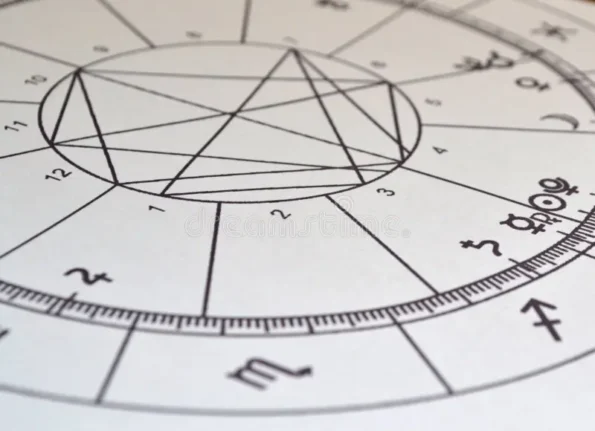
It’s a place where human psychology and ancient mythos intersect, where heartbreak becomes a wound and an event. Obsession is a spiritual misalignment, a soul spinning so fast in its own orbit it begins to collapse under its own gravity? To the stalker, the breakup is is an existential rupture. It rips through the story they had written for themselves. Something within them refuses to evolve, refuses the rebirth. Instead of facing the void, they construct a shrine to the past and kneel before it daily with prayers of control disguised as longing. They’re suspended, frozen in a psychological tableau, clutching memories like talismans. But here’s where it turns dangerous: they begin to confuse the object of their obsession with their only hope of salvation. You become, in their fractured mythology, both the source of their pain and the supposed cure. It’s a position no one should ever be placed in, least of all by someone who once claimed to love them.
It’s a deep psychic wound. In their mind, they are the victim of injustice, a martyr of misplaced devotion. They turn your autonomy into treason, your silence into cruelty. And because their sense of self was so entangled with the relationship, your departure feels like annihilation. They are no longer trying to win you back; they are trying to restore their sense of existence, and they believe you’re holding the missing piece. It’s why these situations carry such potent danger. Because to someone lost in this internal maze, reality bends to serve their pain. Boundaries become insults. Restraint becomes rejection. And the more you reclaim your life, the more it threatens the version of the story they need to believe.
A black hole is another accurate portrayal of the gravitational pull of unresolved grief fused with powerlessness. You cannot reason with it, because it doesn’t operate within the laws of shared logic. It pulls in all light, all compassion, all attempts at negotiation. It doesn’t want closure; it wants control, and the very impossibility of regaining control makes it even more dangerous. It’s the wounded god, the rejected shadow, the figure cast out of paradise trying to claw their way back in by force. And to witness this, to be on the receiving end of it, is to stand on the edge of something ancient and terrifying, a love, when twisted by ego and fear, can become one of the most potent and destructive forces in the human story.
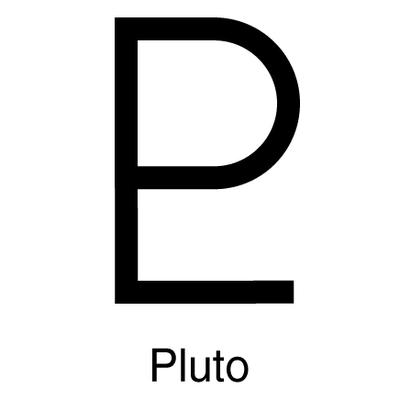
When transiting Pluto aspects the natal Sun, what we witness is nothing less than an astrological descent into the underworld, an initiation, often unwilling, into the deeper strata of power, identity, and fear. Pluto doesn’t ask politely if you’re ready to evolve. It rips up the floorboards of your life and drags you into the cellar, forcing you to look at the rot beneath the surface. And when it touches the Sun, our sense of self, it does so with the intention of remaking us. But not before it dismantles us. It is the dark god, the ruler of hidden things, and it demands nothing less than a total confrontation with whatever we’ve avoided. In the lives of stalking victims, this transit becomes tragically literal. The Sun, especially in a woman’s chart, can represent the animus, the internalized masculine, the father figure, the male partner. When Pluto bears down, what once felt warm and life-affirming can become menacing, controlling, or obsessive. The outer world begins to reflect an inner journey, one where control must be wrested back from the shadows of the stalker, the shadow within, and the fear that says: I am not safe, I am not seen, I am no longer independent and in control.
In case after case, as Pluto makes its ruthless passage, we see stories unfold where women are forced to reckon with a primal, often life-threatening power dynamic. It may manifest as psychological torment, surveillance, or outright violence. The external world, via the stalker, is playing out an archetypal battle for the soul. A forced confrontation with the darkest face of attachment. The terror it brings is the labor of transformation. What it seeks, ultimately, is our reclamation. The stalker, who externalizes Pluto’s darker qualities: control, obsession, domination – unwittingly becomes the catalyst for a kind of heroic emergence. Not always. Not without cost. But often, those who survive this harrowing initiation emerge with a power they didn’t know they possessed. A rebirth of identity, no longer defined by fear or relational dependency. And yet… the toll is real. This isn’t some drama to be watched from a safe distance. This is life, with all its bruises and breathlessness. For some, Pluto’s lessons are too much. The transformation comes through tragedy.
When transiting Pluto forms a significant aspect, especially a conjunction, square, or opposition, to the natal Sun, it heralds a moment of profound reckoning. This isn’t the growth of springtime but the ruthless survival of winter, where the old self is laid bare and dismantled so something truer, something unshakable, might emerge. The Sun in the natal chart is the animating force that says, “I am.” It is our identity, our will to live, to shine, to be seen. But when Pluto enters the frame, it doesn’t care about appearances. It drags this identity into the underworld, demands it be stripped of illusion, of artifice, of dependency on external validation. It initiates a kind of death. A loss of how we thought we were, who we thought we needed to be, what we once believed gave us power or protection.
So the Pluto/Sun drama unfolds. It might come as crisis, a stalking ex, a psychological breakdown, a betrayal, a stripping away of support beams. Something or someone often enters the scene embodying Pluto’s shadow: obsessive, controlling, relentless. But they aren’t the true adversary. The true confrontation is with what within us allowed that energy to remain unchallenged. Where did we abandon ourselves to be loved? Where did we give away power under the guise of harmony? Where did we confuse submission with safety? Pluto’s transit demands we reclaim what we have outsourced. We walk through the fire of the false self and come out real, and resplendent on the other side. But there are no shortcuts to this journey, no affirmations to sidestep the shadow work. It must be felt. It must be faced. The “rebirth” so often spoken of is the inevitable result of allowing what is dead to truly die.
Pluto is the dark architect of the soul’s unmaking and remaking. Its influence is the undertow beneath seemingly calm waters: unseen, but immensely forceful. It can be the engine of psychological transformation or the source of obsession so consuming it scorches everything in its path. Pluto intensifies. In the human psyche, Pluto’s energy doesn’t seek surface pleasures or temporary satisfactions. It craves depth. It wants to merge, to know completely, to dismantle all barriers between self and other out of a primal urge to possess, to control, to be certain. And when that energy becomes fixated on a person, we find ourselves staring into the face of obsession.
In its more evolved form, Pluto asks us to dig, into trauma, into shadow, into the hidden stories we carry about love, power, and worth. It invites us to transform. But when this energy isn’t owned consciously, when it remains projected or repressed, it turns on us, or worse, on others. A person under Pluto’s sway (whether our transit or their own) might become convinced that they must have what they’ve lost, that they are entitled to it, and the letting go is death itself. And in some cases, this metaphor becomes terrifyingly literal.
When Pluto stirs at the door of the psyche; it rips off the hinges and demands entry. If someone’s self-worth is bound tightly to another person, or if trauma has already etched deep grooves in the heart, then Pluto’s energy, instead of transforming, possesses. What might begin as a pang of longing becomes a relentless need to know. What was once affection curdles into surveillance. Social media checks, phone calls that go unanswered, the subtle sense that the other person is now a territory to be reclaimed, rather than a soul with autonomy. This is Pluto when it goes rogue: the god of the underworld pulling someone into compulsion. Into obsession disguised as care, into control masquerading as concern.
The lines blur. The mind says: “I’m just checking,” or “I just want to understand.” But underneath is a volcanic core of fear, fear of abandonment, of insignificance, of powerlessness. The more control they try to reclaim, the more they reveal how utterly out of control they feel. The more they monitor, the more they unmask their own fragility. The stalker isn’t empowered. They’re unraveled. But the tragedy is mistaking this unraveling for righteousness, for justice, even for fate. It’s not “I can’t move on,” it’s “We were meant to be.” Not “I’m hurting,” but “They’ve wronged me.” And this shift, an inability to sit with the loss – can make this transit a rupture in the soul. In these moments, when the soul is flayed open and the old self is dying, the choice becomes stark: descend consciously into the underworld and face what must be released, or try to drag others down with you. The former is the journey of transformation. The latter is the pathology of possession.
When rejection lands in the psyche of someone already teetering on the edge of insecurity, Pluto’s arrival detonates (even if Pluto is transiting in your chart). The breakup, which for most marks a period of mourning, for the stalker becomes something else. Rejection, in this light becomes symbolic annihilation. The stalker experiences it as if the ground beneath them has given way, and rather than plunging inward into introspection, they lurch outward in search of a scapegoat. The scapegoat is almost always the person who left. Because it is they, in the stalker’s mind, who “took” something. The stalker’s mind becomes a purgatory where memory, grievance, and entitlement fester together. They don’t want reconciliation; they want validation. They want the universe to be rewritten, to correct what they perceive as an injustice. And since they can’t bend the stars, they try to bend the person who broke away. It’s the shadow of Pluto, writ large – a resistance to transformation that becomes destructive. It is what makes Pluto’s contact with the natal Sun so mythically volatile. The Sun is the seat of the self. Patterns of control, obsession, loss of self. And sometimes, the tragedy that unfolds when a psyche consumed by powerlessness finds no other outlet but to externalize its pain, violently and unpredictably.
Rejection, in the moment, isn’t heard as “this is over.” It’s felt as “you no longer exist.” Being erased in the eyes of the one who once saw you becomes unbearable. But instead of going inward, of letting something old die so something new might be born, the wounded psyche lashes out. It tries to reverse the ending, as if breaking someone else’s freedom might stitch back together their fractured self. This is no longer love, not even distorted love. It’s power. Control. The sickly illusion that by monitoring, pursuing, punishing, they might reclaim what they lost. Pluto, ever the ruler of the unseen, doesn’t bring new feelings, it exposes the ones we’ve buried. The long-held grudges. The belief that love is ownership. The unspoken terror of being irrelevant. All of it, suddenly sits exposed. And if there’s no container for that, no inner work, no reckoning, then it leaks. It spills. It hunts.
For the stalker, rejection doesn’t land like a sharp slap or a clean break. It detonates inwardly. What was once “we” is now a void, and in this void they don’t find peace or self-reflection, they find obsession dressed up as destiny. This is the dark communion Pluto offers: transform or be undone. And for those not ready to face the grief, the shame, the unbearable silence of having been left, they lash out instead. They outsource their chaos, using another person’s life as a projection screen for their inner horror film. You moved on? Then you’re the villain in their tragedy. You set a boundary? It’s betrayal. You loved them once? Then you owe them forever. But love, real love, isn’t a hostage situation.
Pluto’s influence is unsentimental. It doesn’t care for surface pleasantries or polite endings. It peels. It penetrates. It drags you into the basement of your soul, flips the light on, and says, “Look. This is you, naked. Now what?” What we often see, in the case of the stalker, is someone who looks… and runs outward rather than inward. They weaponize the pain instead of alchemizing it. Instead of dying to their old identity and letting something wiser be born, they cling to the corpse. And then they blame you for the smell.
The real terror is the inability to distinguish between love and possession. Between grief and entitlement. Pluto uncovers the wound, and it tests how willing you are to stop picking at it. When someone can’t, or won’t, do the inner work, they become dangerous to others, and to themselves. Because they’re chasing something that no longer exists: the past, a version of love that never had the spine to stand alone, a self that only felt whole in someone else’s reflection. Pluto always gets what it came for. The transformation will happen, with or without your permission. You can go into the fire willingly and emerge changed, or be dragged in kicking and blaming, and come out smoke.
When Pluto transits the fifth house, enters the sign Leo, or aspects the Sun, you could have an obsessive love affair that controls your life. There could be radical changes with children, particularly the first born child, or your life could be dramatically transformed because of the birth of a child. There could be an obsession with creative projects, such as a book or artistic conception. Your self-image and self-perception will undergo a change. You may be drawn into power struggles or have control issues with a man. After the transit, a new and better sense of your personal power will have been defined as well as a new, more confident sense of identity. By Carol Rushman –Predictive Astrology
Victims of Stalking
 Rachel Miller’s natal chart contains symbols that, when interpreted, hint at the complex and often painful layers of her life. Starting with the Sun-Neptune opposition, we see a signature of someone whose sense of self (Sun) is in constant negotiation with the elusive, dreamlike, and sometimes deceptive energies of Neptune. This aspect suggests a life where the boundaries of reality can feel blurred, where the lines between hope and illusion fade into one another. It can manifest as a deep sensitivity, a tendency to see the best in others, even to the point of self-sacrifice, a trait that, in the wrong circumstances, makes one more vulnerable to being deceived or manipulated. For Rachel, this might have meant a tendency to overlook red flags, to see her partner through a lens of hope rather than the harsher realities. Then, there’s the Mars square Uranus/Pluto aspect, a fiery and unpredictable configuration. Mars, the planet of action and aggression, colliding with Uranus’s rebellious, electric energy, and Pluto’s deep, transformative power creates a cocktail of intensity. This aspect can drive an individual to sudden and explosive actions, but it can also attract equally volatile energies from others. For Rachel, this aspect might have contributed to her drawing in partners whose unpredictability matched the turbulence reflected in her chart, creating a pattern of chaotic and potentially dangerous relationships.
Now, when we turn to the transits at the time of her murder, the picture becomes even more chilling. The opposition of transiting Pluto to her natal Sun reads like the climax of a drama, Pluto, the harbinger of deep, often painful transformation, facing off against the Sun, the very core of Rachel’s identity. Oppositions are challenging, they pull in two directions, creating a tension that demands resolution. Pluto, with its themes of power struggles, death, and rebirth, might have brought hidden fears and threats to the surface. This transit could have intensified the feelings of control and dominance from others in her life, especially given the history with her ex-husband.
In stark contrast, transiting Neptune’s trine to her natal Sun might have been escapism. It easier to turn away from the harshness of reality, to hope for the best or to drift into denial. Neptune can heal, but it can also cloud, leaving one more open to self-delusion or to misjudging the intentions of others. Under this influence, Rachel might have been particularly vulnerable to believing things could change, and perhaps the danger wasn’t as severe as it truly was. The trine, a generally harmonious aspect, would have allowed Neptune to subtly wrap around her perception, making the true danger seem less immediate.
Together, these transits and natal aspects paint a picture of a time when Rachel’s inner world was deeply at odds with the external dangers she faced, a time when the undercurrents of obsession and control from her ex-partner were rising just as her ability to see them clearly was being compromised by Neptune’s haze. The tension between Pluto’s raw, transformative force and Neptune’s dreamy, illusory pull created a dangerous space, one where the realities of human behavior, marked by jealousy, possessiveness, and resentment, took center stage.

Heather Lynne’s story is another deeply sorrowful picture of how the intimate reality of a person’s natal chart can resonate with the very real, very painful experiences of their life on Earth. Her life and the tragedy that ended it seem to reflect her life. Heather’s Sun/Mercury conjunction trine Pluto suggests a person with a mind that delves beneath the surface, who perceives the world with a depth and intensity. Sun and Mercury together speak of someone whose thoughts, communication, and self-expression are closely intertwined, her identity shaped by how she articulates her ideas and connects with others. People with such aspects can often become a fascination to others, drawing in relationships that reflect those same intense undercurrents. Yet, this depth can also draw Heather into dynamics where power and control play a significant role, often attracting people who respond strongly, sometimes too strongly, to her presence. In relationships, this aspect could manifest as a push-and-pull between fascination and fear, where the intensity of connection veers into a dangerous obsession, especially for those who cannot manage the emotional power she evokes.
The transits at the time of Heather’s murder paint a harrowing picture. Transiting Pluto’s opposition to her natal Sun is a reckoning, a period where all that is hidden or unresolved rises to the surface, demanding transformation. It’s a time when power struggles and confrontations can feel inescapable, and for someone like Heather, with her natal inclination towards deep connections, this transit might have pulled her into a battle with dark, possessive energies from her past, embodied by her ex-boyfriend. An opposition like this can feel like standing at a crossroads between life as it is and the darker currents pushing towards change. It can amplify the intensity of interactions with others, especially men or authority figures, making them fraught with an almost fated quality. This transit would have likely magnified the dangers she faced.
The trine between transiting Pluto and her natal Mars adds to this sense of urgency and danger. While trines are often considered harmonious, Pluto and Mars together amplify power, drive, and sometimes aggression. This aspect might have given her an extra boost of determination or courage, but it could also have escalated the intensity of any conflict she encountered. In this period, the energies of confrontation and struggle were both heightened, pulling her deeper into a scenario where tempers and tensions could quickly spiral out of control.
Overlaying this is transiting Neptune’s trine to her natal Sun, a softer, but more insidious influence. Neptune brings a dreamy haze that can cloud judgment and obscure the true nature of what’s unfolding. It’s a transit that can make us more open, more sensitive, but also more prone to wishful thinking or self-delusion. Heather might have seen glimmers of hope, believing in the best of others or finding it difficult to see the full extent of the danger she was in. It’s a kind of vulnerability that comes from wanting to believe in the possibility of change, even when the reality is far more menacing. The transits at the time of her death suggest a perfect storm – a moment when the darker energies of Pluto converged with her own inner strength, yet veiled by Neptune’s illusions.

Melissa Lonan’s story is yet another heart-wrenching testament to how personal and universal forces can seem to intertwine in the most tragic ways in her death at the hands of a partner, reflecting the deeper currents of her life and the shadowy alignments of the stars. Her natal chart offers a portrait of a person shaped by depth, and determination, but also someone whose openness and stability made her vulnerable to forces beyond her control. The planetary dynamics in play during the events leading to her tragic end illuminate a time when the emotional and physical landscapes of her life became fraught with danger. Her Sun and Mars in Taurus paint a picture of strength, perseverance, and a connection to stability, yet these same traits might have made her resistant to change, especially when faced with tumultuous relationships. Taurus, ruled by Venus, has a deeply rooted desire for security and consistency, and when combined with Mars, representing drive and assertion, it can create a person who endures hardships with a stoic spirit. However, in the context of a relationship with a partner whose behavior is volatile, this strength might mean that Melissa held on through difficult situations, believing that she could withstand the storms, even when those storms grew dangerous.
The transits at the time of her murder was another transiting Pluto opposition to the natal Sun, and it represents a period where the themes of power, control, and transformation become unavoidable. Oppositions are moments of confrontation, between what we are (Sun) and the external forces that challenge our identity (Pluto). Pluto, with its themes of transformation, death, and rebirth, often symbolizes encounters with the darker sides of life, obsessions, power struggles, and the compulsion to face what lies beneath the surface. For Melissa, this transit might have brought to a head tensions that had been simmering for some time, pushing hidden dynamics into the light, forcing a confrontation with forces she could not control.
Overlaying this intense period is the trine between transiting Neptune and her natal Sun and Venus. Neptune’s presence brings heightened sensitivity and a yearning for connection, yet also a tendency to see the world through rose-colored glasses. This trine would have enhanced Melissa’s natural empathy, perhaps making her more inclined to seek the best in those around her, to hope for change, or to believe in the possibility of healing even when danger was present. Neptune’s energy, while often beautiful in its capacity for compassion and creativity, can also obscure reality, making it difficult to see clearly when someone’s intentions are harmful. In this context, it could have contributed to a sense of vulnerability, a willingness to give her estranged boyfriend the benefit of the doubt, to believe that the threat wasn’t as real or as imminent as it truly was.

Wylea Smith’s story of murder by a partner is a heartbreaking exploration of how the subtle, symbolic language of the stars can mirror the struggles of a human life, especially when relationships descend into darkness. Her natal chart, with its tangled aspects and challenging configurations, paints a picture of a person in deep emotional currents, caught in a web of both internal and external conflicts. The transits at the time of her murder unfolded, seemed to underscore the escalating risks that ultimately culminated in her tragic death. Starting with Venus square Neptune in Wylea’s chart, we see a classic symbol of love and illusion. Venus represents our approach to relationships, our desires, and our capacity for connection, while Neptune is the planet of dreams, mysticism, and, crucially, deception. The square between these two planets can create a longing for ideal love, an attraction to the romantic, but with a hidden undertow, a tendency to see partners through rose-colored glasses, to wish for a storybook ending even when the reality is far more troubling. This aspect can make one especially vulnerable to being deceived by those who seem to embody those dreams, or to staying in situations where hope obscures the need for self-preservation. For Wylea, this might have meant staying in a relationship long after the warning signs became clear, believing in the possibility of change or redemption in her partner.
The Mars inconjunct Uranus and Pluto adds another layer of internal struggle and volatility. Mars represents our drive, aggression, and willpower, while Uranus and Pluto together symbolize sudden changes and deep, transformative shifts. An inconjunct, or quincunx, is an aspect that demands adjustment but without the easy flow of energy—it’s like trying to reconcile two incompatible forces. For Wylea, this might have translated into an underlying restlessness, a sense that she was always on the edge of some significant shift, especially when it came to asserting herself in relationships. It’s the kind of energy that can build up beneath the surface, creating an atmosphere where confrontation or violence can emerge suddenly.
During the transits leading up to Wylea’s death, transiting Neptune was square her natal Sun and Mars created a period of confusion and vulnerability, where her usual assertiveness (Mars) and sense of self (Sun) could have been clouded by Neptune’s hazy influence. Neptune, in its square aspect, challenges clarity and sharpness, introducing a fog that can make it difficult to see threats for what they are. For Wylea, this might have meant struggling to discern the true nature of her estranged husband’s intentions, clinging to hope or being caught in a sense of unreality about the gravity of her situation. This transit could have left her feeling disoriented, unable to fully grasp the urgency of her danger or to take the steps needed to protect herself.
Then, there’s the square between transiting Uranus and Mars, a powerful symbol of sudden eruptions and volatility. Uranus in square to Mars can be like a lightning strike, quick, unexpected, and capable of igniting a situation into chaos. This aspect would have brought an element of instability to Wylea’s circumstances, possibly triggering abrupt confrontations or violent outbursts. It’s an aspect that often coincides with accidents or impulsive actions, as it heightens the tension between a desire for freedom (Uranus) and the urge to act decisively (Mars). In the context of a strained relationship, it could have contributed to an explosive dynamic, where one moment of conflict spiraled out of control with tragic consequences.
Tammy Gail Morris’s tragic story is another heartbreaking example. Her natal chart and the transits at the time of her death highlight the currents that may have shaped the path to her untimely end. The Sun square Mars in Tammy’s natal chart paints a vivid picture of a personality characterized by a strong drive and a readiness to act. The Sun represents one’s core identity and vitality, while Mars symbolizes assertiveness, aggression, and the impulse to take action. A square between these two planets often indicates a person with a fiery nature, someone who can be courageous and bold, with a willingness to stand up for themselves. Yet, this aspect can also be a magnet for conflict, as it can create an inherent tension between her desire for self-expression and the aggressive responses from others, especially men. It might have made her attract partners or situations where the balance of power was constantly tested, where clashes were almost inevitable. In the context of relationships, this aspect could have meant that Tammy’s assertiveness was met with resistance or aggression, leading to conflicts where tempers flared. It suggests that she might have faced situations where her efforts to stand her ground or pursue her desires clashed with the assertive, possibly domineering behavior of those around her, including her estranged husband.
The transits at the time of Tammy’s death are particularly telling. Transiting Pluto’s opposition to her natal Venus, often dubbed the “fatal attraction” aspect, brought with it themes of power struggles, obsession, and deep emotional entanglements in her relationships. Pluto’s transit over Venus can dredge up intense emotions, turning love into a battleground of control and dominance. It’s as if this transit pulled the darker sides of desire and attachment into the forefront, magnifying any existing tensions between Tammy and her estranged husband. This opposition likely heightened his possessiveness or feelings of entitlement over her, creating a dangerous emotional environment where the stakes of their relationship became life-threatening.
In conjunction with this, the trine between transiting Pluto and Mars could have amplified the aggressive and volatile energy in the air. While trines are generally considered easier aspects, Pluto’s influence over Mars can act like adding fuel to a fire, it heightens the intensity and forcefulness of interactions. This transit could have emboldened Tammy to confront the challenges she faced, but it also might have intensified the confrontations with her estranged husband, making the possibility of violent escalation all the more likely. The trine suggests that the forces driving the conflict were aligned in a way that made it difficult to defuse, as if both the internal and external energies were pushing towards a decisive and irreversible outcome.
The exact inconjunction of transiting Pluto to her natal Sun, combined with Neptune’s square to her Sun, introduces a sense of internal disruption and disorientation. Inconjunctions are aspects that indicate a need for adjustment, feeling something is out of alignment and needs to be reconciled. With Pluto pressing on her sense of self, Tammy might have felt a growing pressure from external circumstances that she couldn’t fully understand or control, something dark and powerful influencing her life in ways that felt unsettling and inescapable. Neptune’s square to her Sun would have further clouded her perception, adding an element of confusion and vulnerability. Neptune’s influence can bring about a fog of uncertainty, making it difficult to see things clearly, especially in situations where deception or self-deception is involved. It’s possible that during this time, Tammy felt disoriented, unsure of whom to trust or how to handle the dangerous situation with her estranged husband. Neptune’s square could have made it harder for her to recognize the severity of the danger she faced, or to find a clear path out of the entangling web of their relationship.
Kim Reilman’s story is a stark and tragic illustration of how the powerful, often volatile energies reflected in her natal chart seem to mirror the dramatic and tumultuous themes that marked her life, and ultimately, her devastating end. The aspects and configurations present in her chart suggest a person of emotional depth and sensitivity, yet also one whose life may have been marked by sudden, intense shifts and challenging relationships. These themes take on an even more dramatic tone when we consider the transits at the time of her death. The Sun/Mars opposition to Uranus/Pluto in Kim’s chart stands out as a particularly intense alignment, suggesting a life where energy and identity (Sun/Mars) frequently clashed with the powerful, disruptive forces of Uranus and Pluto. Mars represents drive, assertiveness, and sometimes conflict, while the Sun symbolizes the core self, the essence of identity. When these planets face off against Uranus, known for sudden changes and rebellion, and Pluto, the harbinger of transformation and hidden depths, the result is a life that could feel like a series of dramatic upheavals.
This opposition suggests that Kim might have experienced periods where her need to assert herself and establish her identity was met with sudden disruptions or challenges from others, situations could turn on a dime from stability to chaos. The Pluto-Uranus influence would have brought a sense of unpredictability to her interactions, especially those involving power dynamics. It’s the kind of aspect that attracts intense situations, where the struggle for control or the drive for transformation can become all-consuming. In relationships, this could mean being drawn to individuals who carry a similar intensity, but whose presence could destabilize her world with unexpected and sometimes destructive force.
Yet, alongside this, we have the Sun’s trine to Neptune, which softens her nature with a sense of empathy and deep sensitivity. Neptune’s influence brings a dreamlike quality, a capacity for profound emotional understanding, and an ability to perceive the subtleties of human connections. Kim’s trine would have given her a natural inclination towards compassion, perhaps a tendency to see the best in others, even when faced with darker realities. It suggests a person with a deep well of inner kindness, a willingness to forgive, or to hope for the potential for change in others. However, this same sensitivity can become a vulnerability when one’s openness to others leads them into situations where they fail to recognize danger until it is too late.
Adding to this complex astrological profile is the yod, or “finger of God,” formed by Neptune and Pluto to Venus, the planet of love and relationships. A yod is an aspect pattern that points to a sense of destiny, an often difficult path. For Kim, with Neptune and Pluto guiding the energy towards Venus, her relationships may have been marked by themes of transformation, intensity, and perhaps an idealistic longing for deep, meaningful connections. This could have led her into situations where the lines between love, power, and illusion blurred, where her desire for a soulful connection might have exposed her to hidden agendas or manipulative behaviors. It’s a configuration that suggests a deep yearning to connect, but also a vulnerability to those who might take advantage of that openness.
The transits at the time of Kim’s tragic murder were transiting Pluto’s square to her natal Sun and Mars in Pisces. It represents a period where power struggles and internal conflicts come to a head, often with a sense of inevitability. A Pluto square forces a confrontation with what lies beneath the surface, dragging out any unresolved tensions into the light. For Kim, this transit could have intensified any existing conflicts, especially those involving power and control, making it difficult to escape the forces that seemed to close in around her. The square would have heightened the stakes, turning a situation that might have been simmering into one that boiled over into violence.

Janice Marie Jones’s story is yet another deeply sorrowful one Her inner world, reflected in the chart, suggests a person of deep emotional sensitivity and strength, a person who might have drawn others to her warmth and empathy but who also encountered power struggles and sudden shifts, leaving her vulnerable. When the pressures of challenging transits converged with her life’s circumstances, they seemed to push already volatile energies into a tragic and irreversible direction. Starting with Venus trine Neptune in her natal chart, we see a signature of emotional sensitivity and an ability for deep, idealistic love. Venus, the planet of love and relationships, harmonizing with Neptune, the planet of dreams and illusions, creates a strong desire for connection on a spiritual and emotional level. Janice might have been someone who saw the best in people, drawn to the beauty in others and inclined to overlook their flaws in favor of an idealized version of who they could be. This aspect suggests a tendency towards empathy, a willingness to give and to see beyond the rough edges of others’ personalities. But in the context of challenging relationships, such sensitivity can also become a vulnerability, especially if it leads to overlooking warning signs or remaining hopeful in the face of potentially harmful situations.
The Mars square Pluto in her chart adds a far more intense and turbulent energy to the mix. Mars, representing drive, aggression, and action, when in a difficult square with Pluto, the planet of transformation, death, and power, creates a dynamic where conflicts can take on a life-or-death intensity. This aspect suggests that Janice might have encountered power struggles in her life, especially with those who sought to dominate or control her. It can reflect an internal battle, a sense of needing to assert oneself in situations where the stakes are high, where standing up for oneself means facing deep-seated fears or the darker sides of human nature. Such an aspect might have made her draw in relationships or situations that had an undercurrent of power, where control and intensity played significant roles.
The Venus square Mars aspect in her chart suggests that her relationships were likely a source of friction and intensity, where the desires for love (Venus) and assertiveness (Mars) often clashed. This square can manifest as a magnetic but stormy situation in romantic connections, relationships feel passionate but are prone to conflict. For Janice, this could mean being drawn to partners who ignited both her desire for connection and her need to assert her own boundaries, creating a push-pull dynamic that could be difficult to resolve. It’s an aspect that speaks to the fiery nature of her interactions, where the balance between affection and confrontation might have been a constant theme.
The transits at the time of Janice’s murder bring into focus the heightened energies that surrounded this period of her life. Transiting Pluto’s trine to her Sun suggests a time of deep personal transformation, moments when the desire for change, for shedding old layers of the self, becomes almost irresistible. Pluto trine the Sun can empower, making one feel a sense of renewal, as if shedding light on parts of the self that have long remained hidden. It can also bring about significant changes in one’s external life, especially involving relationships or power struggles with others. For Janice, this transit might have felt like a time when things were shifting rapidly, where her own inner growth intersected with changes in the people around her, especially in how they related to her.

Cynthia Cruz’s story, with its heartbreaking elements of manipulation, obsession, and violence, is a tragic illustration of how certain influences can seem to resonate with the dark complexities of human relationships. Her natal chart reveals qualities that might have made her both uniquely loving and, tragically, vulnerable to the dangers that arose in her life. The transits and aspects present at the time of her death further underscore a convergence of powerful, challenging energies, markers that seem to reflect the struggles she faced in her final days. At the heart of Cynthia’s natal chart is the Sun-Venus conjunction in Pisces, a signature of deep compassion, sensitivity, and a strong desire for emotional connection. Pisces is the dreamer of the zodiac, a sign that seeks to merge with others in a spirit of understanding and empathy. The Sun-Venus alignment enhances this Piscean quality, suggesting that Cynthia was someone who naturally sought harmony in her relationships, who may have seen the potential for love and healing even in difficult circumstances. This aspect indicates a natural inclination to offer support, to believe in the possibility of change in those she cared about, and to see the good in others, even, and perhaps especially, when it was buried beneath layers of pain or trauma.
Yet, the same aspect that made her capable of deep empathy could have also left her more vulnerable to those who might take advantage of her kindness. Her desire to believe in the redemptive power of love might have made it difficult for her to fully acknowledge the darker aspects of a partner’s behavior, potentially overlooking signs of manipulation or danger. In the context of an abusive relationship, such sensitivity could translate into a tendency to hope for change, even when the reality remained threatening.
Mars in Scorpio adds a very different energy to her chart, one of intensity, determination, and emotional depth. Scorpio’s domain is the underworld of emotions, where passions run deep and where the desire to confront the truth, no matter how painful, is a driving force. Mars in this sign suggests a strong will, a readiness to face challenges head-on, and an ability to dig into the core of emotional experiences. It can also signal a magnetic presence, someone whose strength is powerful, but who may also attract intense, even turbulent situations. This placement could have given Cynthia the fortitude to endure difficult times, but it might have also made her relationships particularly passionate and sometimes fraught with power struggles.
The transits at the time of Cynthia’s tragic murder highlight how these natal qualities interacted with external forces that amplified the existing tensions in her life. Transiting Pluto square to her natal Venus represents a classic symbol of upheaval in relationships, a period when the themes of power, control, and obsession come to the forefront. Pluto, with its associations with transformation, death, and rebirth, when in a challenging square to Venus, can turn love into a battleground, where possessiveness and power struggles overshadow affection and connection. For Cynthia, this aspect might have manifested as a time when the darker sides of love – jealousy, manipulation, and control – became unavoidable. It suggests that her relationship with her estranged partner reached a point where the conflict was too great to manage peacefully, where the dynamics between them turned dangerous and possibly life-threatening.
Pluto’s influence in such a square can create a kind of “fatal attraction” situation, where one partner becomes unable to let go, even as the relationship deteriorates. For Cynthia, this might have meant that her efforts to maintain a sense of hope and compassion in the relationship met with an increasingly possessive and dangerous response from her partner. It’s a time when the emotional stakes are heightened, when the struggle for control can turn to desperation, and when the potential for violence, unfortunately, becomes very real.
Adding to this already intense energy is transiting Neptune’s conjunction to her natal Sun. Neptune’s influence can be both beautiful and treacherous, bringing heightened intuition and a sense of spiritual connection, but also a veil that blurs reality, making it difficult to see situations clearly. A Neptune-Sun conjunction can make someone more open to believing in others, more willing to see potential rather than the harsh truths of the moment. For Cynthia, this might have contributed to a sense of confusion during this period, making it harder for her to fully grasp the danger she faced or to recognize when her partner’s promises were empty.